
Residential carpet cleaning
Carpet cleaning planned around real Hong Kong homes, with their limited space, humid air, pets, and building rules.
What people call steam cleaning is really hot water extraction. Here is how it works, what it is good for, and when we would choose something else.
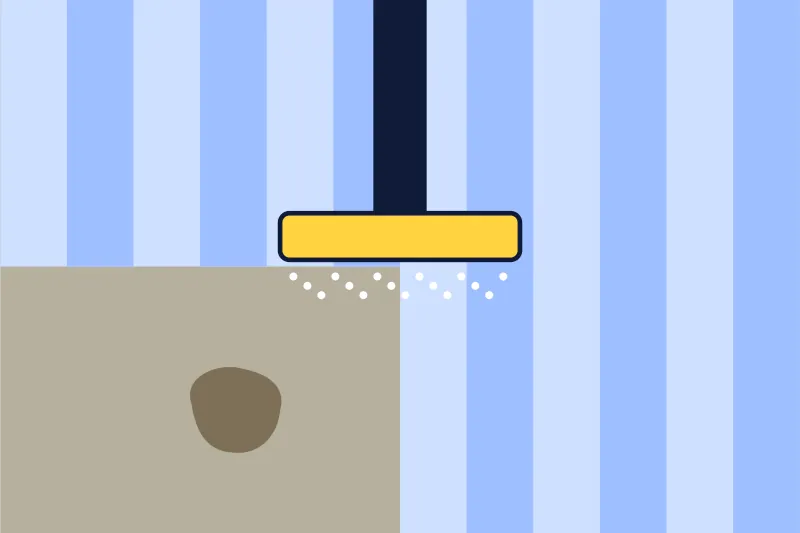
Very little steam is involved. A machine sprays hot water and cleaning solution into the carpet under pressure, then immediately vacuums it back out, along with the dissolved soil. The trade name is hot water extraction, and it is one of the most widely used methods for deep cleaning carpet.
The word "steam" stuck because you can see vapour coming from the hot water.
Heat, chemistry, agitation and time are the four things that do the cleaning. Hot water extraction combines them:
| Situation | Better option |
|---|---|
| Must return to use within a short time | Low-moisture cleaning |
| Raised floors or moisture-sensitive areas | Low-moisture cleaning |
| Viscose, silk or antique rugs | Specialist rug cleaning |
| Wool | Extraction can still suit it, with lower temperatures and wool-safe products |
| Poor ventilation during very humid weather | Lower-moisture work or a change of date |
The main drawback of this method is that the carpet stays damp for a while. With good extraction and airflow, typical guides quote several hours, but thick carpet, poor airflow and damp air can all extend that a lot.
In Hong Kong, it is the last one that catches people out. In a closed flat on a damp March day, carpet can take far longer than it would in dry autumn weather. This is why we think about drying when we plan the job. Read more about carpet care in humid weather.
Rental and home machines use the same basic idea, but they usually have far less suction and heat. That leaves the carpet wetter for longer, and often leaves more detergent behind. They can be useful for small areas. See professional vs DIY carpet cleaning.
Find out how much it costs or ask for a quote.
Synthetic fitted carpet rarely shrinks. Wool and some carpets with natural backings can if they are over-wetted or dried too slowly, which is why we check the fibre and control the moisture and heat.
Extraction removes a lot of the dust and allergen load, but we would not promise it eliminates mites. If allergies are a concern, ask your doctor for advice too, and combine cleaning with humidity control and regular vacuuming.
By the time water reaches the carpet fibres it has cooled considerably, so we do not describe extraction alone as sanitising. If this matters for your job, talk to us about it.
Carpet cleaning planned around real Hong Kong homes, with their limited space, humid air, pets, and building rules.
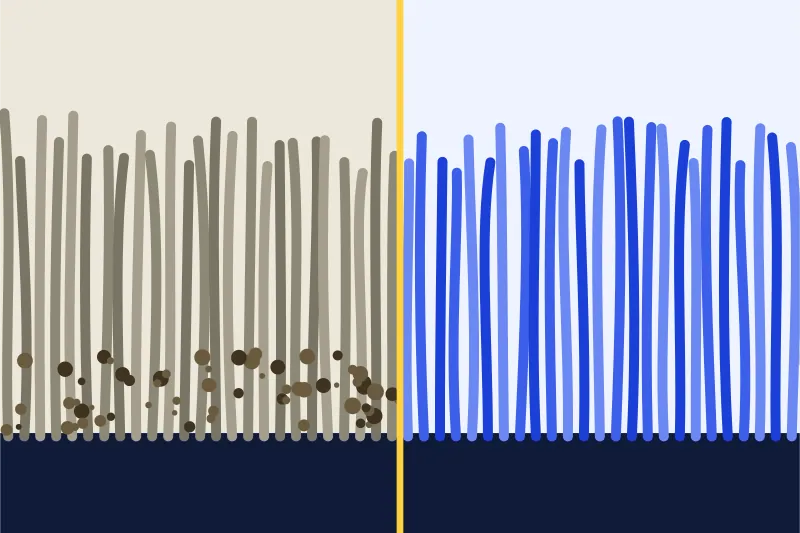
When regular cleaning no longer helps: restorative cleaning for carpet that has gone years without a proper clean, or ha...

Shampooing was once the standard way to clean carpet, and it still has a place. Here is an honest comparison with modern...
Send a photo on WhatsApp or fill in the form. We will reply with what we recommend and a quote.